
Why Shin Splints Keep Coming Back
When Healthy Muscles Stop Gliding Freely
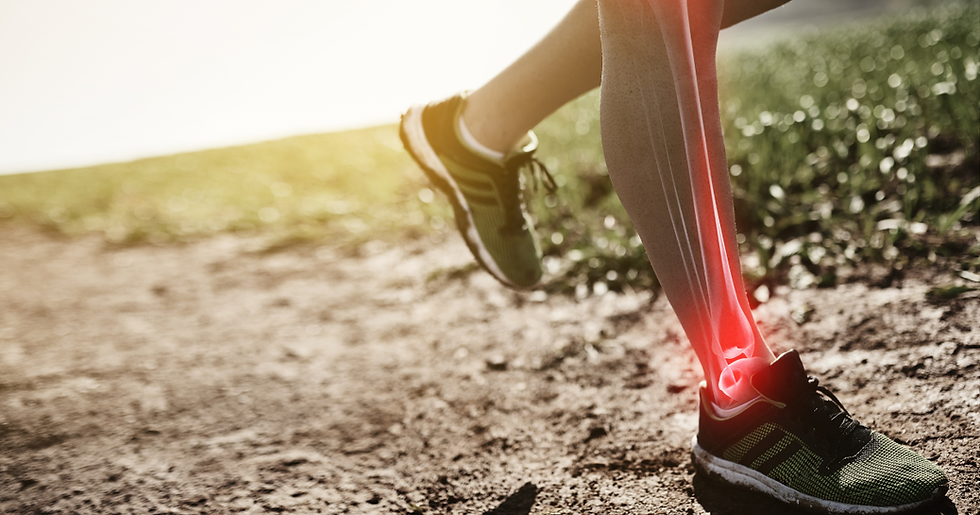
Shin splints, also known as medial tibial stress syndrome (MTSS), are one of the most common overuse injuries affecting runners, hikers, athletes, and people who spend long hours on their feet. The condition causes pain along the inside of the shin that often worsens during or after activity.
While rest may temporarily reduce discomfort, improving flexibility within the calf muscles and flexor digitorum longus (NOT the tibialis posterior as many providers inaccurately label) through treatments such as Active Isolated Stretching (AIS) may help restore healthier movement during recovery. Addressing the muscles that support the lower leg may help improve movement during recovery rather than relying on symptoms to settle with rest alone.
What Is Medial Tibial Stress Syndrome?
Medial tibial stress syndrome develops when repetitive loading places too much stress on the muscles, tendons, and connective tissues attached along the inner border of the tibia, commonly called the shin bone. The discomfort usually begins gradually and becomes more noticeable with running, jumping, brisk walking, or other repetitive weight-bearing activities.
Many people first notice aching during or shortly after activity that improves with rest. As the condition progresses, the discomfort may begin earlier during exercise and last longer afterward. Without addressing the factors contributing to the irritation, symptoms often become more consistent over time and can even lead to stress fracture of the tibia or bones in the foot.
How the Calf Muscles and Flexor Digitorum Longus Influence the Shin
The gastrocnemius and soleus muscles generate the force needed to push the body forward during walking and running. More importantly, they absorb forces when the body comes in contact with the ground. The flexor digitorum longus aids in stabilizing the foot during ground contact and contracts during push-off. Together, these muscles contribute to normal lower leg and foot mechanics throughout every step.
When the calf muscles lose tighten or develop muscular adhesions, the muscle loses the ability to handle repetitive forces. Improving flexibility of the calf muscles will reduce the increased load placed on the small muscles along the inside of the shin and prevent repetitive stresses that cause shin splints.
Why Shin Pain Often Returns
Rest alone may reduce discomfort, but it does not restore flexibility within shortened or restricted muscles. When someone returns to running or other repetitive activities without addressing those restrictions, the muscles and surrounding tissues may continue experiencing the same repetitive demands that contributed to the original irritation.
As training volume increases again, discomfort returns if the muscle is still unable to absorb the forces of running and/or jumping.
How Active Isolated Stretching (AIS) Supports Lower Leg Recovery

Active Isolated Stretching (AIS) focuses on improving flexibility within the calf muscles and flexor digitorum longus. Gentle, controlled stretching for two seconds with specific foot eversion and toe extension helps restore muscle length while encouraging healthier movement throughout the lower leg.
Clients learn how to perform these stretches at home, allowing them to continue their progress between visits. Combining in-clinic treatment with a home stretching and strengthening routine provides an ongoing opportunity to support recovery as activity levels increase.
Build a Stronger Foundation for Every Step
Recurring shin pain should not become an expected part of staying active. Improving flexibility within the muscles supporting the lower leg may help support a more comfortable return to walking, running, and other activities. Schedule an appointment with Performance Care Stretch Clinic to learn whether Active Isolated Stretching (AIS) and Active Release Technique (ART) with eccentric muscle stim (ARP Wave) could become part of your recovery plan.


Comments