
What Is Active Isolated Stretching?
Learning a Scientific Approach to Flexibility
Many people are told to stretch more when they feel tight, so they hold a position for 20 to 30 seconds and repeat it a few times. That approach can create a short-term change, but the tightness often returns quickly or never fully resolves. This leads to a cycle where the same areas are stretched over and over without any lasting improvement, even though the effort is there.
Why Passive Stretching Has Limits
Passive stretching involves holding a muscle in a lengthened position while staying relaxed and allowing an external force to create the stretch. This could be body weight, gravity, or applied pressure. While it is widely used, it does not always produce lasting changes because of how the body responds.
When a muscle is stretched and held, the nervous system triggers a protective response called the MYOTATIC REFLEX, that causes the muscle to contract. This reduces how much the muscle can lengthen and limits the effectiveness of the stretch. Over time, this creates temporary flexibility without improving how the muscle functions during activity. That is why many people feel tight again shortly after stretching, especially once they start moving.
What Active Isolated Stretching Does Differently
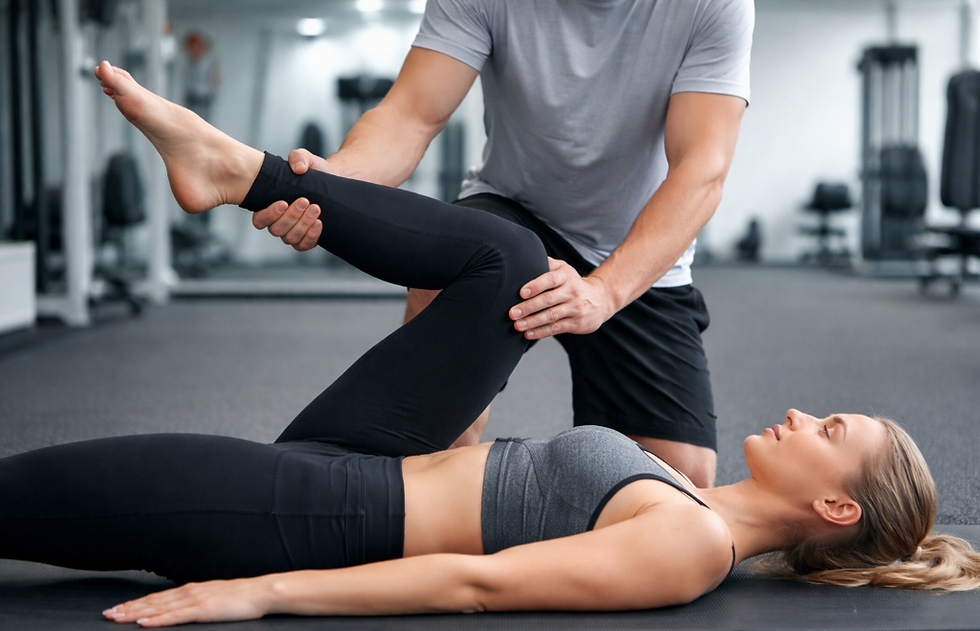
Active Isolated Stretching (AIS) takes a different approach by focusing on short, controlled movements instead of long holds. Each stretch lasts about two seconds and is repeated multiple times, which allows the muscle to lengthen without triggering the same protective response. Instead of forcing a muscle into position, AIS uses the opposing muscle group to create the movement and shutting off the stretch reflex (reciprocal inhibition0. This reduces resistance and allows the target muscle to lengthen more effectively while staying under control.
Key Differences With AIS
The difference between AIS and traditional stretching comes down to how the body is being trained. Instead of working against the body’s natural responses, AIS works with them by using movement and timing. This approach creates changes that carry over into real activity instead of staying isolated to the stretch itself. Key characteristics of active isolated stretching include:
Short two-second stretches instead of long holds
Active movement created by the client, not an outside force
Use of opposing muscles to reduce resistance
Repeated motion to reinforce control and coordination
These differences allow the body to accept a new range of motion instead of resisting it.
Why Movement Matters
Muscles are designed to control motion, not remain in a fixed position. When someone trains flexibility without movement, the body does not learn how to use that range during real activity. This is where most stretching falls short, especially for people who run, lift, or train regularly.
AIS builds flexibility through movement, which helps the body maintain control as range of motion improves. This reduces the likelihood of tightness returning because the change is tied directly to how the body functions, not just how far a muscle can be stretched.

How It Fits Into a Larger Approach
In many cases, tightness is not just a flexibility issue. It is often related to restricted movement caused by tissue limitations that prevent normal motion. When that restriction is present, stretching alone will not fully resolve the problem.
Active Isolated Stretching is often used alongside Active Release Technique (ART) to address both sides of the issue. ART focuses on reducing tissue restriction, while AIS reinforces proper movement once that restriction is improved. This creates a more complete approach that supports long-term function instead of temporary relief.
Build Range of Motion You Can Actually Use
Active Isolated Stretching is not about holding longer stretches or pushing further into discomfort. It is a method built around controlled movement that improves how muscles function and how the body uses its range of motion. By reducing resistance and reinforcing movement at the same time, AIS provides a more effective way to address tightness and support long-term performance. It gradually improves the muscle fibers ability to open a greater distance, exposing more strength potential along with greater ROM.


Comments